Shelly’s take · Why we chose this story
 Coming soonShelly’s take · on William Cope Moyers
In brief
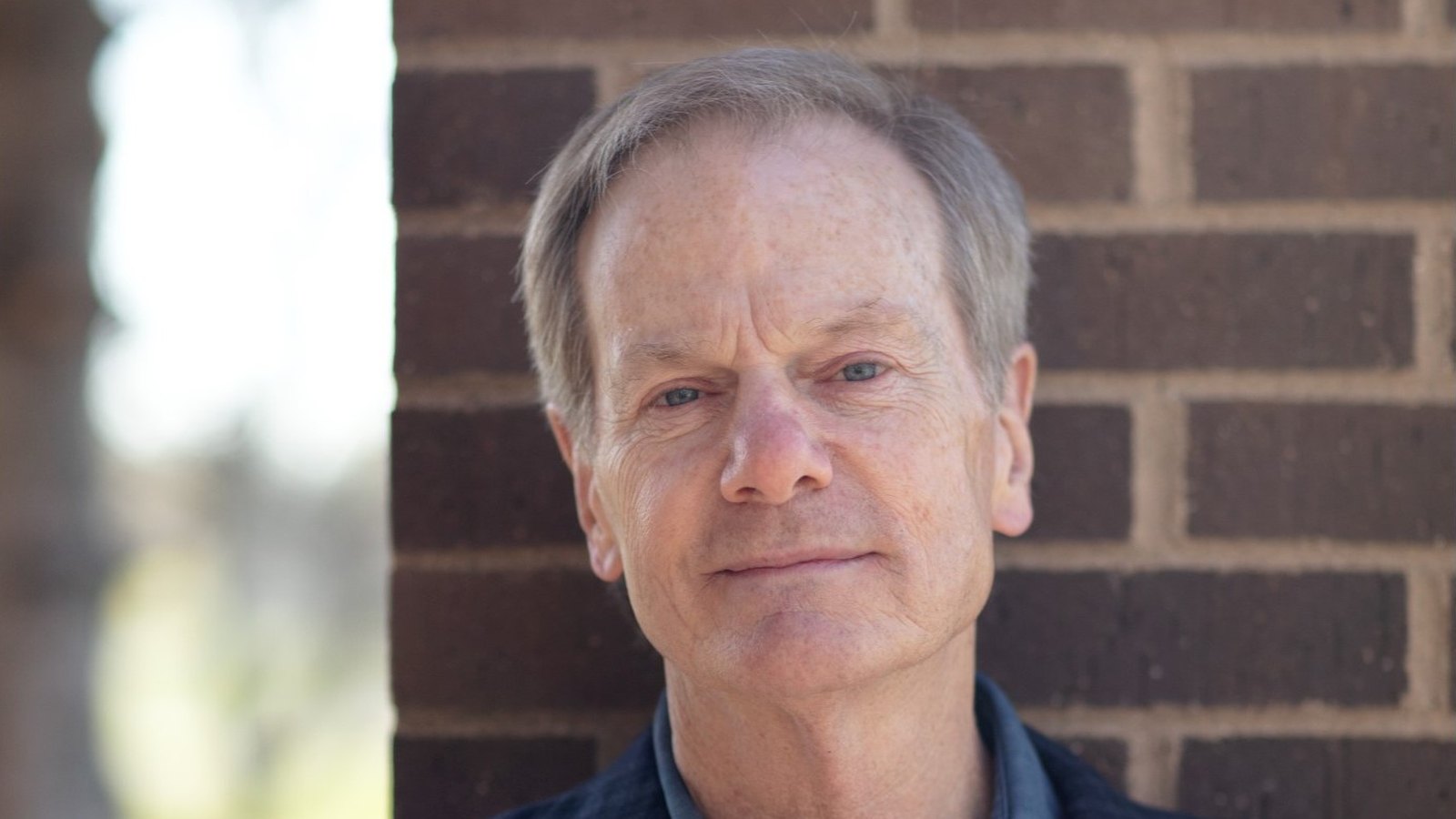
Who is William Cope Moyers?
In 1996, William Cope Moyers dropped his statistics at a Saint Paul Rotary lunch and told the room about four treatments in five years. That same year he started arguing on Capitol Hill for addiction parity. In 2008 the parity law passed. Years later he told a harder story too, about painkillers, in his 2024 book, Broken Open.
The story in the curator’s words
1996
Saint Paul, Minnesota. 1996. William Cope Moyers stands at a Rotary lunch with a speech full of statistics, and he can tell he is losing the room.
So he sets it aside and tells his own story: four treatments in five years, and how he rebuilt his life. He later said you could hear a pin drop in that room.
Parity
That same year, from his first day on the job at Hazelden, he was on Capitol Hill arguing for parity. Many health plans would not cover treatment for alcoholism and drug dependence the way they covered hypertension, diabetes or asthma.
Treat addicted people fairly
On March 24, 1998, he told a Senate subcommittee: “It is time that health insurance plans, policymakers and society at large treat addicted people fairly.”
Saint Paul, 2001
In 2001 he helped start the planning for a recovery summit in Saint Paul that brought advocates from more than thirty states. Out of that summit came Faces & Voices of Recovery.
In September 2002, Senator Paul Wellstone stood in Moyers’ kitchen and told him they were going to get that parity bill passed. Moyers never saw him again.
The law
In 2008 the Paul Wellstone and Pete Domenici Mental Health Parity and Addiction Equity Act became law. Health plans that cover addiction treatment can no longer limit it more strictly than other medical care. He did not write that law. He was one of many who carried it, for twelve years.
Broken Open
Later, pain pills prescribed after dental surgery pulled him into a hidden struggle. He told that story too, in his 2024 book, Broken Open. “Recovery is possible,” he says, “even when sobriety is jeopardized.”
If you or someone you love is struggling, call or text 988 (US and Canada). For free, confidential treatment referral in the US, call the SAMHSA National Helpline at 1-800-662-4357. This page asks nothing of William Cope Moyers. The cause his story carries is treating addiction like the illness it is, in the room and in the rules. Amplifying him is how we keep that work in the light. That is the whole of what Creative House Studios does here: tell a true story with dignity, and point to the people still carrying its cause forward. Independent story; not affiliated with or endorsed by William Cope Moyers or the Hazelden Betty Ford Foundation.
Carried forward today facesandvoicesofrecovery.org
Go to their work
Faces & Voices of RecoveryThe national recovery advocacy organization that came out of the 2001 Saint Paul summit he helped start.Visit facesandvoicesofrecovery.org ↗Questions answered from the sources below
Questions about William Cope Moyers
Who is William Cope Moyers?
A person in long-term recovery and a public advocate at the Hazelden Betty Ford Foundation since 1996. He is the author of Broken (2006) and Broken Open (2024).
What is addiction parity?
The rule, in the 2008 federal Mental Health Parity and Addiction Equity Act, that health plans which cover substance use disorder treatment cannot limit it more strictly than they limit medical and surgical care. Moyers was one of many advocates who pushed for it from 1996 to 2008.
Where do these facts come from?
The 1998 Senate hearing transcript, MinnPost reporting from 2013 and 2024, his 2021 Recovery Review interview, Faces & Voices of Recovery, the CMS fact sheet on the parity law, NPR and Hazelden Betty Ford. The Rotary lunch and the kitchen conversation are his own recollections.
Sources 7 cited
Sources
- Drug Addiction and Recovery, Senate hearing S. Hrg. 105-573 (March 24, 1998)reference · govinfo.gov
- Mental-health and addiction parity: Minnesotans recall highlights on the advocacy trail (MinnPost, 2013)reference · minnpost.com
- Interview: William Cope Moyers on the 2001 Recovery Summit (Recovery Review, 2021)reference · recoveryreview.blog
- The 2001-2021 Recovery Summits (Faces & Voices of Recovery)reference · facesandvoicesofrecovery.org
- The Mental Health Parity and Addiction Equity Act (CMS fact sheet)reference · cms.gov
- William Cope Moyers’s new memoir recounts his struggle with sobriety and painkillers (NPR, 2024)reference · npr.org
- William Moyers (Hazelden Betty Ford Foundation)reference · hazeldenbettyford.org